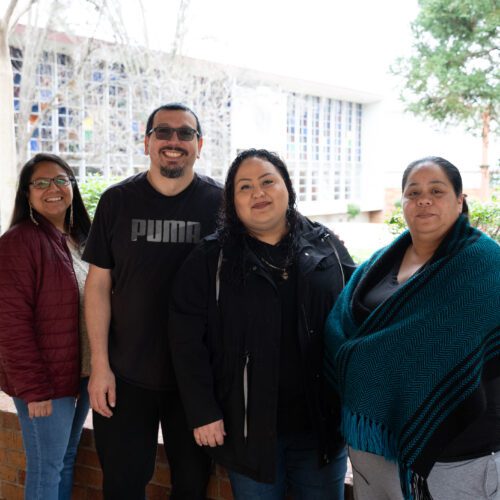
Native Youth Forward works at both the local and state levels. At the local level, we support native youth and families in Del Paso Heights/North Sacramento with culturally grounded mental health supports, college readiness, financial literacy and cultural traditions. In Del Paso Heights, our youth leaders have built a thriving community garden based on indigenous traditions.
At the state level, our department is committed to addressing and alleviating the impacts that cannabis has had on tribal communities in California. Through comprehensive research, strategic partnerships, community engagement, and advocacy, our goal is to empower tribal nations to navigate the challenges posed by cannabis while preserving and enhancing the well-being of their communities.
Native Youth Forward is fiscally sponsored by Youth Forward.
In California, we have developed strong partnerships with the three main state funding streams from the taxation on cannabis. With these partnerships, we have assisted with securing over 40 million dollars in funding back to Native California over the past five years. These funded programs included Youth Substance Use Prevention, Land Restoration, Land Reclamation and overall capacity building for Tribal communities in rural and urban areas statewide. Tribal communities have faced intense impacts on sacred lands and community such as:
- Environmental Impact
- Illegal cannabis cultivation has led to deforestation, water diversion, and the use of harmful pesticides, affecting the natural habitat and wildlife in tribal areas.
- Soil erosion and depletion has occurred due to unregulated land use for cannabis cultivation.
- Water Usage
- Cannabis cultivation, especially outdoor cultivation, often requires substantial water resources. Excessive water use can strain local water supplies, impacting both the environment and nearby communities.
- Public Health Concerns
- Unregulated cannabis cultivation often involves the use of pesticides and other chemicals that pose health risks to nearby communities.
- Odor and air quality issues associated with cannabis cultivation may impact the well-being of tribal residents.
- Youth Mental Health and Psychosis Episodes
- Cannabis use can trigger or exacerbate psychotic symptoms in individuals who are already predisposed to psychosis or have a family history of psychotic disorders. This can include symptoms such as hallucinations (seeing or hearing things that aren’t there), delusions (false beliefs), and disorganized thinking.
Through our tribal youth program, we provides spaces for youth to advocate on pressing issues they identify.
Make a Donation
Support Youth Forward’s mission by making a donation.
